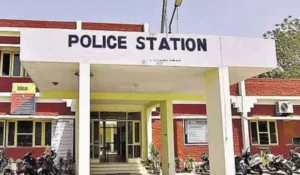
Police Station Guide in India: Types, Services, How to File a Complaint, FIR Process & Citizen Rights
A police station is the primary law enforcement office responsible for maintaining public order, preventing crime, investigating offences, and assisting citizens with legal complaints. Whether you need to file a First Information Report (FIR), report a lost document, seek police verification, or contact the local police during an emergency, your nearest police station is usually the first point of assistance.
India has thousands of police stations operating under the respective State Police departments and Union Territory Police forces. Each police station has a defined jurisdiction and provides various public services, including crime reporting, verification services, traffic assistance, and support during emergencies.
This guide explains everything you need to know about police stations in India, including their role, types, services, complaint procedures, citizen rights, and important safety information.
Quick Information
| Information | Details |
| Managed By | State Police or Union Territory Police |
| Primary Role | Law Enforcement & Public Safety |
| Jurisdiction | Specific Geographic Area |
| Emergency Number | 112 |
| Women Emergency Helpline | 1091 (Available in many states) |
| Cyber Crime Portal | https://cybercrime.gov.in |
| Online FIR | Available in many states for selected offences |
| Passport Verification | Available |
| Character Verification | Available |
| Police Clearance Certificate | Available in many states |
What Is a Police Station?

A police station is the local office of the police department responsible for maintaining law and order within a specific area called a police jurisdiction.
It serves as the first point of contact between citizens and the police. People visit police stations to report crimes, file complaints, seek assistance during emergencies, obtain verification services, or request help with legal matters.
Every police station is headed by a Station House Officer (SHO) or an officer of equivalent rank, depending on the state police organization.
Main Functions of a Police Station
Police stations perform a wide range of duties that help maintain public safety and enforce the law.
Their primary responsibilities include:
- Registering criminal complaints
- Recording First Information Reports (FIRs)
- Preventing crime
- Investigating criminal cases
- Maintaining law and order
- Conducting patrols
- Responding to emergencies
- Arresting accused persons as permitted by law
- Assisting accident victims
- Verifying passports and tenants
- Supporting courts during investigations
Types of Police Stations in India
Different police stations are established to handle specific responsibilities.
General Police Station
Handles routine criminal cases, public complaints, and law enforcement within its jurisdiction.
Women Police Station
Specially established to handle cases involving women, including domestic violence, harassment, dowry-related offences, and other crimes.
Traffic Police Station
Deals with traffic management, road safety, accident investigations, and traffic rule enforcement.
Cyber Crime Police Station
Investigates online fraud, hacking, identity theft, social media offences, digital payment scams, and cyber-related crimes.
Railway Police Station (GRP)
Responsible for maintaining law and order at railway stations and on trains within their jurisdiction.
Tourist Police Station
Provides assistance to domestic and international tourists in major tourist destinations.
Services Available at Police Stations
Most police stations provide services such as:
| Service | Available |
| FIR Registration | Yes |
| General Complaint | Yes |
| Lost Document Report | Yes |
| Passport Verification | Yes |
| Tenant Verification | Yes |
| Employee Verification | Yes |
| Character Certificate Assistance | Available in many states |
| Police Clearance Certificate | Available in many states |
| Accident Reporting | Yes |
| Missing Person Complaint | Yes |
| Women Help Desk | Available at many police stations |
What Is Police Jurisdiction?
Every police station is assigned a specific geographic area known as its jurisdiction.
Generally, a complaint should be reported to the police station responsible for the area where the incident occurred. However, in many situations involving a cognizable offence, a Zero FIR can be registered at any police station and later transferred to the appropriate jurisdiction.
How to Find Your Police Station
You can identify your local police station by:
- Visiting your state’s official police website.
- Using the online police station locator, where available.
- Calling the emergency helpline (112) for guidance.
- Asking at the nearest police assistance center.
How to File a Complaint at a Police Station
If you need to report an incident:
- Visit the police station with relevant details and supporting documents, if available.
- Explain the incident clearly.
- Provide accurate information about the date, time, location, and people involved.
- Request a copy or acknowledgment of your complaint where applicable.
- Keep the reference number for future follow-up.
What Is an FIR?
An FIR (First Information Report) is a document prepared by the police when information relating to a cognizable offence is received.
It marks the beginning of a formal criminal investigation.
After an FIR is registered, the police may investigate the matter in accordance with the law.
Difference Between an FIR and a General Complaint
| FIR | General Complaint |
| Registered for cognizable offences | Used for information or non-criminal matters, depending on the circumstances |
| Leads to formal investigation | May not immediately result in an investigation |
| Recorded under legal procedures | Used for reporting or assistance |
Online Police Services
Many State Police departments now offer online services, including:
- Online complaint submission
- Lost document reporting
- Tenant verification
- Employee verification
- Passport verification status
- Character certificate applications
- Vehicle verification
- Cyber crime reporting
The availability of these services varies by state.
Citizen Rights at a Police Station
Every citizen should be treated fairly and respectfully.
You have the right to:
- Report a crime.
- Receive an acknowledgment where applicable.
- Request a copy of an FIR if one is registered in your case, as provided by law.
- Seek assistance during emergencies.
- Be informed about the complaint process.
- Approach senior police officers if necessary.
Important Emergency Numbers
| Service | Number |
| National Emergency Response | 112 |
| Police Control Room | 100 (Available in many areas, though 112 is the integrated emergency number) |
| Women Helpline | 1091 (Availability varies by state) |
| Child Helpline | 1098 |
| Ambulance | 108 (Available in many states) |
| Fire Service | 101 |
Tips Before Visiting a Police Station
- Carry a valid identity document if required.
- Keep copies of relevant documents or evidence.
- Note important dates, times, and locations.
- Provide factual and accurate information.
- Cooperate with lawful procedures.
- Keep your complaint reference number for future communication.
State-wise Police Station Guides
To help citizens find local police stations more easily, you can also explore:
- Police Stations in Delhi
- Police Stations in Maharashtra
- Police Stations in Uttar Pradesh
- Police Stations in Karnataka
- Police Stations in Tamil Nadu
- Police Stations in Gujarat
- Police Stations in Rajasthan
- Police Stations in Punjab
- Police Stations in Haryana
- Police Stations in West Bengal
City-wise Police Station Guides
Popular city guides include:
- Police Stations in Delhi
- Police Stations in Mumbai
- Police Stations in Bengaluru
- Police Stations in Hyderabad
- Police Stations in Chennai
- Police Stations in Kolkata
- Police Stations in Pune
- Police Stations in Jaipur
- Police Stations in Ahmedabad
- Police Stations in Lucknow
Frequently Asked Questions
Can I visit any police station to report a crime?
For many serious (cognizable) offences, you can approach any police station. In appropriate cases, a Zero FIR may be registered and transferred to the police station with the relevant jurisdiction.
Is there any fee for filing a police complaint?
No. Filing a police complaint or FIR is generally free of charge.
Can I file an FIR online?
Some states provide online FIR or e-complaint facilities for certain categories of cases. The availability and scope vary by state.
What should I do if I lose important documents?
You should report the loss to the police and follow the applicable procedure in your state. Many states also offer online lost document reporting.
Can tourists seek help from police stations?
Yes. Tourists can seek assistance from local police stations, and many tourist destinations also have dedicated Tourist Police units.
How do I know which police station has jurisdiction over my area?
You can use your state’s official police website, available police station locator services, or contact the emergency helpline for guidance.
Conclusion
Police stations are an essential part of India’s law enforcement system and play a vital role in protecting citizens, preventing crime, and maintaining public order. Beyond criminal investigations, they provide several public services such as complaint registration, verification processes, emergency assistance, and community support.
Understanding how police stations function, the services they offer, and the procedures for reporting incidents can help citizens access assistance more confidently. Whether you need to report a crime, request police verification, or seek help during an emergency, knowing your nearest police station and its jurisdiction is an important part of staying informed and prepared.